
The right siding does two jobs at once: it protects your home's structure and cuts down on the repainting and repair bills that come with living near the water. This guide breaks down the top siding materials for weather resistance and durability, written for homeowners along US coastal regions, including New England shoreline communities like Cape Cod and Martha's Vineyard.
TL;DR
- Fiber cement is the top overall choice for coastal durability and low maintenance
- Premium/insulated vinyl is the most budget-friendly option that still holds up reasonably well
- Engineered wood and cedar deliver classic coastal looks but demand more upkeep
- Wind rating, moisture resistance, and installation quality matter as much as the material
- Avoid untreated wood, standard steel, and traditional stucco near saltwater
Overview of Siding Materials for Coastal Homes
"Coastal siding" means exterior cladding built to handle salt air, wind-driven rain, UV exposure, and freeze-thaw cycles without breaking down early.
Coastal weather hits harder than inland exposure. Salt, moisture, sun, and temperature swings attack cladding in ways average products are not built for:
- Salt-laden air corrodes fasteners and pits metal
- Wind-driven rain and humidity push moisture into joints and finishes
- Strong UV breaks down paint and surface coatings
- Freeze-thaw cycles open cracks and speed premature failure
Standard siding designed for inland conditions often underperforms near the water. Below, we rank the best materials for coastal weather resistance and long-term durability.
Top Siding Materials for Coastal Homes
Coastal siding choice comes down to four factors:
- Resistance to salt and moisture
- Wind rating
- Maintenance needs
- Expected lifespan
Fiber Cement Siding
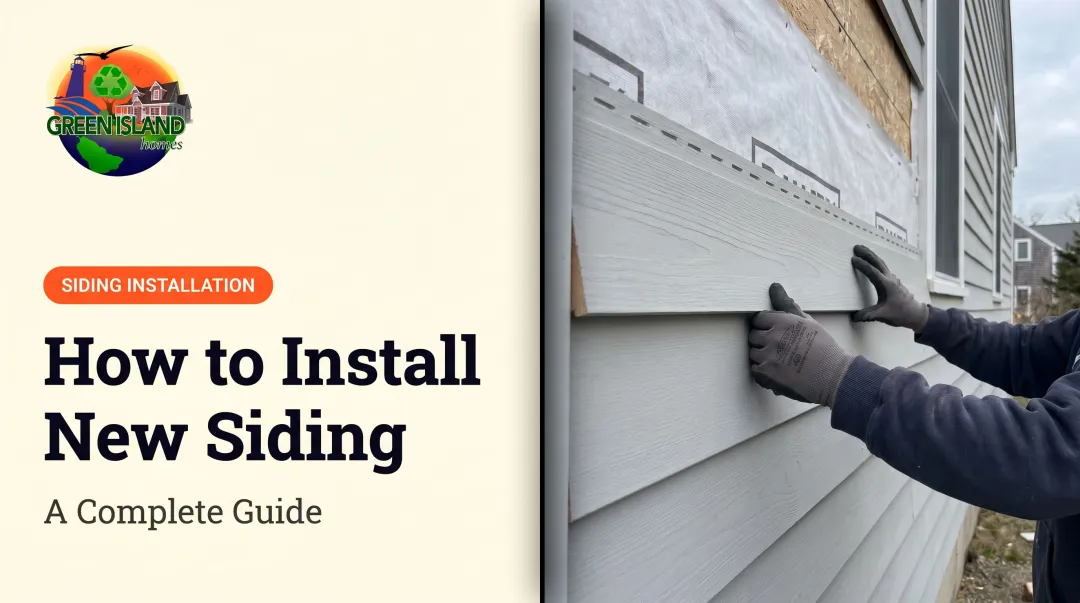
Made from cement, sand, and cellulose fibers, fiber cement has no organic material to rot or attract pests. That composition is exactly why it resists salt corrosion, humidity, and UV degradation better than most alternatives.
Manufacturer lines like James Hardie's HZ10 are specifically engineered for "hurricane-force winds, salty sea air of the coast, and brutal, humid heat," backed by a 30-year non-prorated, transferable warranty [1]. Factory-baked color finishes also mean far less repainting over the life of the siding, and lifespans can stretch up to 50 years.
| Factor | Rating |
|---|---|
| Durability | Very high; resists warping, cracking, and salt degradation |
| Maintenance | Low; rarely needs repainting when factory-finished |
| Cost | Moderate to high upfront, strong long-term ROI |

Vinyl Siding (Premium/Insulated Grade)
Vinyl is affordable, widely available, and naturally resistant to rot and insects. Standard vinyl, though, can crack or blow off in high wind events. Premium and insulated grades are built to close that gap.
Certified polymeric cladding must pass ASTM D5206 wind testing, with a 110 mph minimum threshold. Premium insulated vinyl can reach design pressures supporting 150+ mph wind speeds when installed correctly at 16 inches on-center [2]. Standard hollow-back vinyl typically doesn't reach that tier.
| Factor | Rating |
|---|---|
| Durability | Good with premium grades; standard vinyl can crack or blow off in storms |
| Maintenance | Very low; occasional hose cleaning |
| Cost | Low to moderate |
Engineered/Composite Wood Siding
Engineered wood siding combines resin and wood fibers, giving it better moisture resistance than solid lumber. LP SmartSide, the leading brand in this category, backs its product with a warranty covering hail up to 1.75 inches and wind gusts up to 200 mph [3].
That figure is a manufacturer warranty ceiling, not an independent code rating. The real coastal vulnerability with engineered wood is finish failure at the panel laps, not the substrate itself. Staying on top of the paint system matters more than the wind number on the box.
| Factor | Rating |
|---|---|
| Durability | High; resists warping better than natural wood |
| Maintenance | Low to moderate |
| Cost | Moderate |

Cedar and Natural Wood Siding
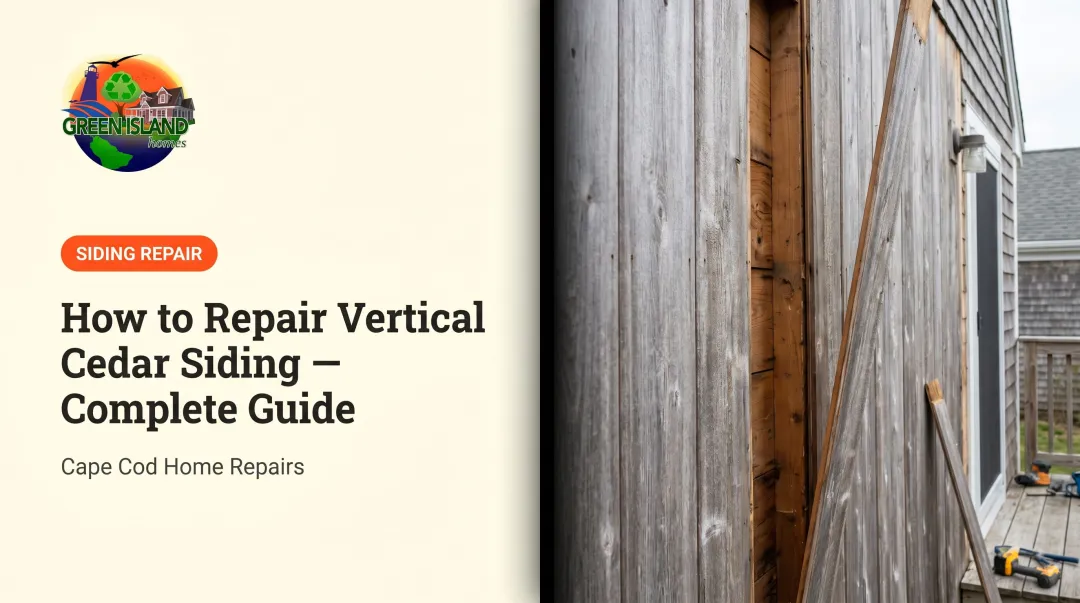
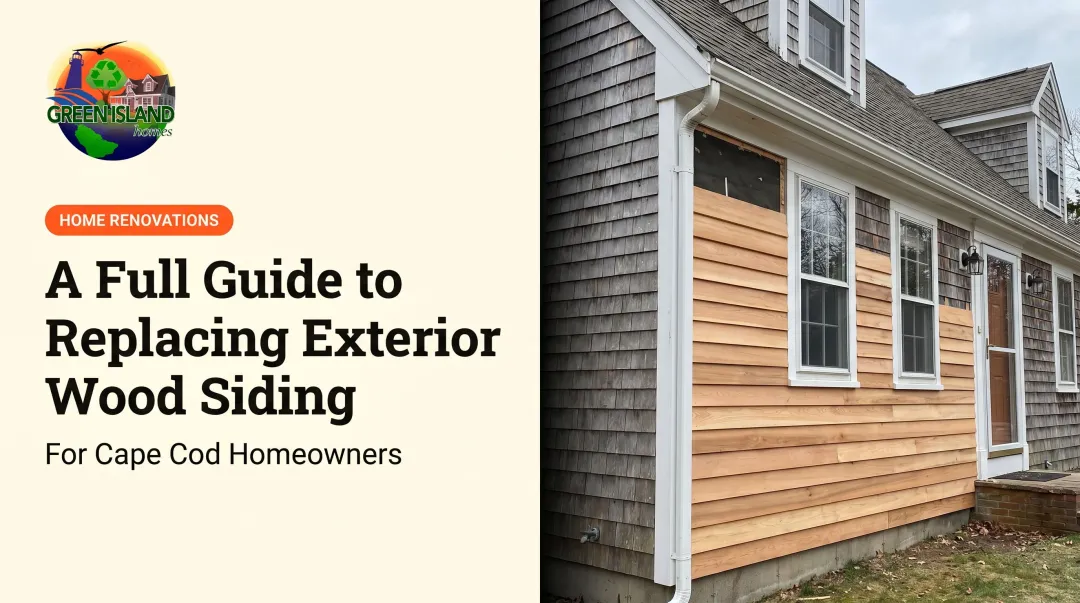
Cedar brings natural insect and rot resistance along with the classic New England shoreline look homeowners love. It comes with a maintenance trade-off.
Inland cedar typically needs restaining every 3-7 years. On the coast, salt, humidity, and UV compress that cycle to just 2-3 years. Unmaintained cedar can fail in roughly half the time it would inland. For seasonal or vacation properties where nobody's watching the finish closely, that risk adds up fast.
| Factor | Rating |
|---|---|
| Durability | Moderate; depends heavily on maintenance |
| Maintenance | High; needs resealing every few years |
| Cost | Moderate |
Brick and Stone Veneer
Brick and stone don't rot, warp, or attract pests, and they hold a classic coastal look for decades. FEMA even classifies face brick and non-absorbent stone veneer as acceptable materials below the Base Flood Elevation in flood-prone zones, a distinction vinyl doesn't share.
The catch is installation cost and complexity. Proper brick veneer needs a 1- to 2-inch drainage air space, weep holes every 24 inches, and a continuous water-resistive barrier behind it. In coastal zones, stainless steel wall ties are recommended within 3,000 feet of the shoreline to prevent corrosion.
| Factor | Rating |
|---|---|
| Durability | Very high; can last the life of the home |
| Maintenance | Very low |
| Cost | High |

Wind Resistance, Impact Ratings, and Color Choices
Class 3 vs. Class 4 Impact Ratings
Class 3 and Class 4 impact ratings measure how well a material withstands debris impact, most commonly tested via a steel ball drop. Class 3 must survive a 1.75-inch steel ball dropped from 20 feet; Class 4 steps up to a 2-inch steel ball from 20 feet without cracking the backing. For storm-prone coastal zones, Class 4 is worth the extra cost. The difference shows up after the first major debris-driven storm, not before.
What Wind-Resistance Ratings Actually Mean
Wind ratings like 110-150 mph refer to the sustained wind speed a material can withstand without failing. Local building codes in hurricane-prone regions often mandate minimum thresholds:
- Wind Zone 1: 130-140 mph
- Wind Zone 2: 140-150 mph
- Wind Zone 3: 150-170 mph near coastlines New England coastal jurisdictions typically fall in the 110-130 mph corridor under ASCE 7 wind maps. That is lower than Florida's High-Velocity Hurricane Zone requirements, but still demanding enough that wind rating should factor into any material decision.

Color Choices and Resale Value
Color choice affects both curb appeal and long-term durability on the coast:
- Soft grays, whites, and muted blues hold resale value more reliably than bold or trendy palettes
- Region-specific or fashion-forward colors can date a home faster at resale
- Darker colors show UV fading sooner under intense coastal sun exposure
How We Chose the Best Materials
This ranking weighed four performance factors, not brand reputation alone:
- Salt and moisture resistance
- Wind performance
- Maintenance burden
- Expected lifespan
The most common homeowner mistake? Prioritizing upfront cost or curb appeal over documented wind ratings and manufacturer warranty coverage for coastal use. A siding product that looks great in year one but needs repainting every two years will cost more over a decade than a pricier, lower-maintenance option.
Conclusion
The best siding for a coastal home balances durability, how much maintenance you're willing to take on, and your budget—not trends.
Before finalizing a material, have a qualified local contractor assess your property's specific exposure — wind, flood zone status, and sun direction all factor into which siding will actually perform on your lot.
Green Island Homes, serving Cape Cod and Martha's Vineyard, provides siding installation, replacement, and repair as part of remodeling and custom home projects across the region. If you're weighing siding options for a coastal property, reach out at sales@greenislandhomes.com or 774-563-9714 to start the conversation.
Frequently Asked Questions
What is the best siding material for coastal homes?
Fiber cement is the top all-around performer for salt, moisture, and wind resistance. Premium vinyl is a solid budget alternative if fiber cement is out of reach.
What is the most durable and affordable siding?
Premium vinyl offers the best affordability, while fiber cement delivers greater durability and a longer lifespan for a higher upfront cost. Your choice depends on budget versus long-term ROI priorities.
What type of siding is best for high wind areas?
Fiber cement and engineered wood products with warranties rated for 130+ mph winds hold up best. Always confirm installation meets manufacturer specs, since improper install undermines the rating.
How often does coastal siding need maintenance?
Most fiber cement and premium vinyl only need a gentle wash once or twice a year to remove salt spray. Wood siding usually needs inspection and refinishing every few years in the same conditions.
What is the best material for a beach house?
Fiber cement's low-maintenance profile makes it well-suited for seasonal or unattended beach properties. It won't need attention between visits the way cedar does.
What color siding has the best resale value?
Neutral, timeless tones hold value better than highly trendy or bold colors. They also show less visible UV fading over time.