
The right renovation does more than refresh a space. It improves daily comfort, reduces energy costs, and protects the value of a high-priced coastal asset. The wrong renovation wastes money. This guide covers the 10 best home renovation ideas, what each costs, and what Cape Cod and Martha's Vineyard homeowners need to know before breaking ground.
Key Takeaways
- Kitchen and bathroom remodels consistently deliver the strongest ROI at resale
- Coastal homeowners must account for salt air, humidity, and weather durability in all material choices
- Energy-efficient upgrades like new windows, insulation, and heat pumps qualify for federal tax credits and lower ongoing utility bills
- Outdoor living spaces and curb appeal projects carry outsized value in coastal real estate markets
- Always verify your contractor holds a Massachusetts Home Improvement Contractor (HIC) registration before signing any agreement
Why Home Renovation Is Worth the Investment
Americans spent an estimated $670 billion on home remodeling in 2024, with roughly 20 million households undertaking improvements — nearly one-quarter of all owner-occupied homes. Renovation isn't a niche activity; it's how most homeowners manage and grow their largest asset.
On Cape Cod and Martha's Vineyard, the math is even more compelling. At $470 per square foot in Barnstable County and $982 per square foot in Dukes County, even modest improvements translate to meaningful value gains. A $30,000 kitchen update in a $900,000 home is a very different risk profile than the same project in a $250,000 one.
The best renovation projects do two things at once: improve how a home feels to live in right now, and protect or increase its value over time. The 10 projects below are ranked with both goals in mind — prioritizing upgrades that deliver the strongest return in this specific market.
10 Best Home Renovation Ideas
The projects below are selected based on return on investment, homeowner demand nationally, and specific relevance to Cape Cod and Martha's Vineyard properties.
1. Kitchen Remodel
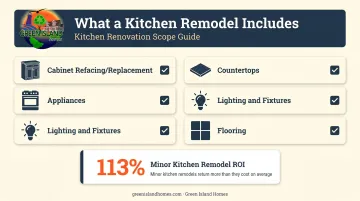
The kitchen remodel is the most-requested renovation type for good reason. A midrange minor kitchen remodel — new cabinet fronts, countertops, appliances, and hardware — costs around $28,500 nationally and recoups 113% at resale, making it one of the few renovation projects that returns more than it costs.
A full major kitchen remodel runs closer to $82,800 but recoups only about 51%, so scope matters. For most Cape Cod homeowners, the minor-to-midrange approach — refreshing rather than gutting — delivers better bang for the dollar.
Open-concept kitchen layouts are especially popular here. Many older Cape-style homes were built with closed, compartmentalized rooms. Opening the kitchen to the dining or living area modernizes the floor plan and creates the gathering-oriented spaces that coastal lifestyle demands.
What a typical kitchen remodel includes:
- Cabinet refacing or full replacement
- New countertops (quartz and granite hold up well in coastal humidity)
- Updated appliances
- Improved task lighting and fixtures
- Flooring refresh
2. Bathroom Remodel
A midrange bathroom remodel costs around $26,100 and recoups approximately 80% at resale — strong returns in any market. In vacation-heavy markets like Martha's Vineyard, where buyers often evaluate properties as both primary residences and rental-income assets, updated bathrooms carry additional weight.
Salt air and high humidity accelerate mold growth and surface deterioration in New England coastal bathrooms — the wrong materials compound that damage quickly. Getting the material choices right from the start prevents costly remediation later.
Material choices that hold up in coastal climates:
- Porcelain or ceramic tile (over vinyl or carpet)
- Stone or engineered stone vanity tops
- Mold-resistant drywall (Type X or paperless)
- Corrosion-resistant fixture hardware
- Exhaust fans rated for high-humidity environments
Primary suite bathrooms and guest bath upgrades both deliver returns — but a dated primary bath is often the first thing buyers notice and discount.
3. Energy-Efficient Windows and Insulation
Older Cape Cod homes — many built before modern energy codes — commonly lose significant heat through single-pane windows and under-insulated walls and attics. Making these upgrades pays off in two ways: lower utility bills immediately, and improved resale value over time.
Replacing single-pane windows with ENERGY STAR certified units can save homeowners up to 13% on annual heating and cooling costs. Massachusetts weatherization programs report an average 15% reduction in heating and cooling costs for homes that complete insulation and air sealing upgrades.
Federal tax credits currently available (through 2025):
- 30% of qualified expenses, up to $1,200 annually for windows, doors, and insulation
- Windows and skylights capped at $600; heat pumps at $2,000
- Check IRS Publication 5797 or consult your contractor for current eligibility
Green Island Homes specializes in energy-efficient construction, including modular home builds designed for performance in New England's climate. Their team can help identify which upgrades make the most sense for your specific property and walk you through available rebate programs.
4. Deck and Outdoor Living Space
In coastal markets, outdoor living space is a baseline buyer expectation, not a bonus feature. A wood deck addition costs around $18,300 nationally and recoups 95% at resale. Covered decks, screened porches, and pergolas extend that value further by making outdoor spaces usable across more of the year.
Green Island Homes builds decks and custom pergolas as core services, with direct experience in what survives Cape Cod's weather conditions long-term.
Material considerations for coastal outdoor structures:
- Composite decking resists salt air, UV fading, and moisture better than untreated wood
- Pressure-treated lumber is the minimum for structural framing
- Stainless steel or hot-dipped galvanized hardware prevents rust corrosion
- Weather-sealed finishes extend lifespan significantly in salt-air environments
The combination of a well-built deck and a pergola creates an outdoor room — something that photographs well for listings and adds genuine daily-use value for homeowners who chose this region for its outdoor character.
5. Curb Appeal and Exterior Upgrades
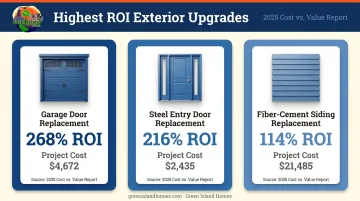
The 2025 Cost vs. Value report shows some of the highest ROI numbers in the entire renovation category for exterior projects:
| Project | Average Cost | Cost Recouped |
|---|---|---|
| Garage Door Replacement | $4,672 | 268% |
| Steel Entry Door Replacement | $2,435 | 216% |
| Fiber-Cement Siding Replacement | $21,485 | 114% |
For coastal properties, fiber-cement siding (James Hardie and similar brands) is worth the investment beyond just ROI. It carries a 30-year non-prorated warranty and resists the moisture and salt exposure that deteriorates wood and vinyl siding faster near the water.
Cape Cod shingle-style and coastal vernacular aesthetics have specific material expectations — cedar shingles, solid-core entry doors, and corrosion-resistant hardware. Getting the material choices right means the upgrade looks appropriate for the neighborhood and lasts.
6. Primary Suite Addition or Upgrade
A primary suite upgrade — expanded square footage, walk-in closet, spa-style bath, better natural light — scores a perfect Joy Score of 10 in the 2025 NARI Remodeling Impact Report, meaning homeowners who complete this project report nearly universal satisfaction.
The ROI numbers at resale are more modest: a midrange primary suite addition runs about $170,500 and recoups roughly 32%. That math argues for upgrading an existing primary suite rather than building a full addition in most cases — improving the bathroom, adding a walk-in closet, and improving lighting costs far less with better returns.
Green Island Homes handles both additions and custom closet installations for homeowners in Barnstable and Dukes County — covering the full scope of this project under one contractor.
7. Open-Concept Living Space Conversion
Many older Cape Cod and Nantucket-style homes were built in an era of defined, separated rooms. That floor plan works against how people actually live today — and against how buyers evaluate homes. Converting a closed floor plan to an open kitchen-dining-living configuration is one of the most impactful changes for older homes.
This project typically involves:
- Identifying load-bearing vs. non-load-bearing walls (requires a licensed contractor or structural engineer)
- Adding a structural beam or header where walls are removed
- Updating flooring to unify the new open space
- Reconfiguring lighting throughout the affected area
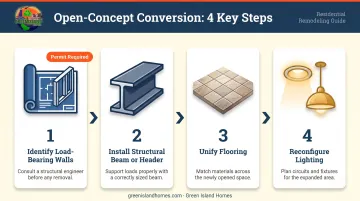
Under the Massachusetts State Building Code (780 CMR Section 105), removing structural elements or substantially cutting walls requires a permit. Do not start this project without confirming structural requirements and pulling the appropriate permits through your local building department.
8. Basement Finishing
Finishing an unfinished basement adds livable square footage without expanding the home's footprint — one of the more cost-efficient ways to increase usable space. Costs typically run $7 to $23 per square foot, with average project totals between $15,000 and $75,000 depending on scope and finish level.
The ROI is reasonable: NAR's research estimates 86% cost recovery for basement-to-living-area conversions. But in New England, the sequencing matters as much as the budget.
Moisture management steps that must come first:
- Exterior or interior waterproofing (averages $4,400, or $5–$10/sq ft)
- Vapor barriers on slab floors and below-grade walls
- Egress windows (required by code for bedrooms)
- Dehumidification system
The EPA flags moisture control as the primary indoor air quality consideration in basement renovations. Skipping waterproofing before finishing is the most common and expensive mistake in this project category.
9. Smart Home and HVAC Upgrades
Heat pump adoption in the Northeast is accelerating — by 2023, heat pumps represented 32% of all residential HVAC equipment sales in the region, up 12% from 2021. In Massachusetts alone, 40,000 homes had heat pumps installed in 2024.
For coastal homes with high humidity and seasonal temperature swings, modern cold-climate heat pumps handle both heating and cooling efficiently — and modern dehumidification integrated into HVAC systems addresses the moisture issues that plague older Cape Cod homes.
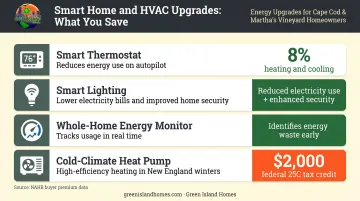
Smart home upgrades that deliver measurable returns:
- ENERGY STAR certified smart thermostats save approximately 8% on heating and cooling bills (~$50/year average)
- Smart lighting reduces electricity consumption and improves security
- Whole-home energy monitoring identifies waste before it compounds
- Modern heat pump systems may qualify for the $2,000 federal 25C tax credit
The combination of smart controls and high-efficiency equipment compounds over time — and NAHB research confirms most buyers are willing to pay a premium for energy-efficient homes.
10. Garage Conversion or ADU
Converting an underutilized garage into a home office, guest suite, or accessory dwelling unit (ADU) is one of the most cost-efficient ways to add usable square footage. Professional garage conversions run $6,000 to $27,700 depending on size and intended use — well below the cost of a full addition.
The ADU angle is particularly relevant for Martha's Vineyard. Massachusetts' Affordable Homes Act (signed August 2024) now allows ADUs under 900 square feet to be built by-right in single-family zoning districts across the state. In the first half of 2025, homeowners filed 844 ADU applications statewide, with more than 550 approved by July.
Rental income from an ADU can also qualify as income for mortgage purposes under Freddie Mac guidelines — a practical advantage for Vineyard property owners looking to offset costs against the area's strong seasonal rental demand.
Important: Zoning requirements and conversion regulations vary by town. Confirm specifics with your local building department or a licensed contractor before proceeding.
How to Plan Your Home Renovation Project
Set Your Budget First
Renovation costs typically run $15 to $60+ per square foot depending on scope and materials, according to Angi's 2026 home renovation cost data. Always build in a 10–20% contingency — surprises in walls, under floors, and in older electrical or plumbing systems are common in Cape Cod's aging housing stock.
For projects at $1,000 or more, Massachusetts law requires a written contract with specific provisions. Get the contract reviewed before signing.
Choosing the Right Contractor
What to verify before hiring:
- Massachusetts Home Improvement Contractor (HIC) registration (required for work on owner-occupied 1–4 unit properties)
- Current liability insurance and workers' compensation coverage
- Local project portfolio — coastal construction has specific requirements
- References from recent, comparable projects
- Clear communication protocol and written timeline
Get at least three bids. Price variation between contractors on the same scope is often significant, and the lowest bid isn't always the right one.
Permits Protect You
In Massachusetts, some work requires permits and some doesn't:
- Permit required: structural changes, electrical work, plumbing, HVAC upgrades
- No permit needed: painting, flooring, cabinet refacing, and most cosmetic updates
Unpermitted work can cause problems at resale and may void homeowner's insurance coverage. A contractor experienced with Cape Cod and Martha's Vineyard municipalities — like Green Island Homes — will handle permit filings as part of the project scope.
Conclusion
The strongest renovation investments on Cape Cod and Martha's Vineyard share a common thread: they address real livability needs while holding up against the coastal climate's specific demands. Salt air, humidity, harsh winters, and warm summers narrow the field of materials and systems that will actually last.
Whether you're planning a kitchen refresh, a deck addition, a primary suite upgrade, or a full-home energy overhaul, the planning process — budget, contractor selection, permitting — can make or break the outcome. Getting those details right before breaking ground is where most successful renovations begin.
Green Island Homes serves homeowners across Cape Cod and Martha's Vineyard with fully licensed and insured construction and renovation services, fair pricing, and the kind of communication that keeps projects on track. Reach out at 774-563-9714 or sales@greenislandhomes.com to discuss your project and get an estimate.
Frequently Asked Questions
How much does home renovation cost?
Most home renovations run $15 to $60+ per square foot, with an average whole-home project costing around $52,000 for a 1,250–1,600 square foot scope, per Angi's 2025 data. Scope, materials, and labor all affect the final number. Budget a 10–20% contingency for unexpected costs.
What is the 30% rule for renovations?
The 30% rule advises against spending more than 30% of your home's current market value on a single renovation project. Over-improving relative to nearby comparable sales reduces your resale ROI, since the local market typically won't support a listing price that far exceeds what similar homes sell for.
What is the difference between remodeling and renovating a house?
Renovation means refreshing or updating an existing space — new finishes, fixtures, systems, or surfaces. Remodeling means structural changes that alter a space's layout, footprint, or fundamental function. The distinction matters for permitting, budget, and contractor selection.
Which home renovation has the best ROI?
Per the 2025 Cost vs. Value report, the top ROI projects are garage door replacement (268%), steel entry door replacement (216%), and fiber-cement siding (114%). Among interior projects, a midrange minor kitchen remodel recoups 113%.
Do I need a permit for home renovations?
Structural changes, electrical, plumbing, and HVAC work require permits on Cape Cod and Martha's Vineyard. Cosmetic updates — paint, flooring, hardware — typically do not. Confirm requirements with your local building department or a licensed contractor before starting any significant work.
How long does a home renovation take?
Single-room renovations typically take 2–8 weeks; kitchen and bathroom remodels often run 4–12 weeks depending on scope. Whole-home projects take 2–8 months. Permitting, material lead times, and contractor scheduling all influence the final timeline.