
This guide walks through everything you need before swinging a hammer: what to check first, the right order to tackle work, renovation ideas that respect a home's original character, and how to keep costs under control without sacrificing quality.
Key Takeaways
- Address structural issues, hazardous materials, and permits before any cosmetic work begins
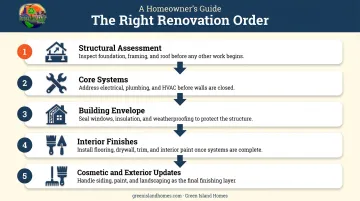
- Follow the correct renovation sequence: structure → systems → envelope → finishes → cosmetics
- Refinishing original floors, tubs, and cabinets almost always costs less than replacing them
- Fresh paint, updated lighting, and new hardware offer high impact at relatively low cost
- Energy upgrades are especially valuable in older New England homes: Mass Save rebates can cover 75–100% of insulation and air sealing costs
What to Know Before You Start Renovating an Old Home
Older homes weren't built to today's standards — and that gap matters the moment you start opening walls. Common issues include galvanized or lead pipes, knob-and-tube wiring, single-pane windows, and undersized electrical panels. All of them need to be identified and priced before you finalize a renovation scope — problems caught in inspection are far cheaper to address than mid-project surprises.
Hazardous Materials Are a Hidden Risk
Two hazards deserve special attention before any demolition work begins:
- Lead paint: The EPA requires certified lead-safe practices for any paid renovation that disturbs paint in homes built before 1978. The CDC identifies no safe blood lead level in children, making this a serious health issue, not just a regulatory one. Lead can also be present in older plumbing — pipes, faucets, and lead-soldered joints in homes built before 1986 are potential sources.
- Asbestos: Unlike lead paint, there's no single regulatory threshold year for asbestos. The EPA identifies it in roofing shingles, floor tiles, pipe insulation, vermiculite, and boiler/furnace wrapping — materials found across a wide range of older homes. Test suspect materials before disturbing them; don't assume a home is clear based on age alone.
Hire a certified inspector to test for both hazards before demo. Remediation costs vary based on material type, quantity, and containment requirements — get a firm estimate early, because it can shift your overall budget significantly.
Historic Districts and Permit Requirements
Once you've assessed the physical condition of a home, the regulatory landscape is the next hurdle — and on Cape Cod and Martha's Vineyard, it's more complex than most. Research shows roughly 76% of municipalities in the region have locally designated historic districts or preservation overlay coverage. Exterior changes — window replacements, siding, even paint colors — may require Historic District Commission approval before work begins.
Permits are a separate but equally important consideration. Massachusetts building code (780 CMR) requires permits for virtually all structural, electrical, plumbing, and mechanical work. Ordinary finish work like painting or cabinet replacement may be exempt, but the systems work embedded in those projects often isn't. Unpermitted work can trigger stop-work orders, penalties, and serious complications at resale.
System lifespans to benchmark against during your inspection:
| System | Expected Lifespan |
|---|---|
| Asphalt shingle roof | ~20 years |
| Furnace | 15–20 years |
| Air conditioning | 10–15 years |
| Standard water heater | ~10 years |
| Tankless water heater | 20+ years |
Source: NAHB Study of Life Expectancy of Home Components
In What Order Should You Renovate an Old House?
Renovation order is where projects succeed or fail. Finishing a beautiful kitchen only to tear it apart when the plumber arrives is a preventable — and expensive — mistake.
Step 1: Structural Assessment First
Start with a professional inspection of the foundation (look for settling, cracking, or moisture intrusion), the roof (remaining lifespan, deck condition), and load-bearing walls before planning any layout changes. Structural failures discovered mid-project are among the most expensive surprises in old home renovations.
Step 2: Core Systems Next
Once the structure is confirmed sound, address rough systems before any walls close up:
- Electrical: Upgrade to a modern panel and grounded wiring. Knob-and-tube wiring — common in homes built from roughly 1880 to the 1940s — poses fire risk and cannot be covered with insulation under the 2008 NEC.
- Plumbing: Replace galvanized or lead pipes with copper or PEX. Test water quality before opening walls, especially in kitchens and baths.
- HVAC: Replace outdated systems with energy-efficient options. Doing this while walls are open saves significant labor versus retrofitting later.
Step 3: Building Envelope
Insulation and air sealing come after rough systems but before finish work. On Cape Cod and Martha's Vineyard, where older homes face brutal winter drafts and damp shoulder seasons, skipping this step means a beautifully renovated house that's cold, costly to heat, and uncomfortable six months of the year.
Step 4: Interior Finishes
Drywall repair, floor refinishing, painting, and trim restoration happen once all trades are finished. Doing this step last protects your investment — earlier trades damaging completed finishes means paying to redo work twice.
Step 5: Cosmetic and Exterior Updates
Landscaping, exterior paint, lighting, and hardware are the final layer. Get the sequence right, and every dollar you spend stays spent.
Renovation Ideas That Preserve Character While Modernizing
The features that make old homes desirable — original hardwood floors, built-ins, plaster moldings, wide trim — are exactly what buyers pay a premium for. The goal of a good renovation is to protect those details while bringing the home up to modern standards without erasing what makes it worth preserving.
Kitchen Updates That Honor the Home's Age
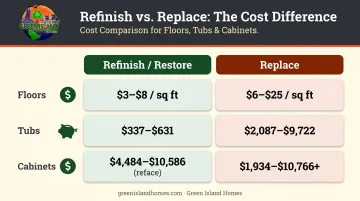
A full gut renovation isn't always the right call. If the cabinet boxes are structurally sound, refacing — replacing doors, drawer fronts, and hardware — costs $4,484–$10,586 on average, versus full cabinet installation which runs $1,934–$10,766+ depending on custom level. The savings are real, and period-appropriate hardware keeps the character intact.
Where possible, preserve original pantry features, built-in shelving, or vintage window placements. These details anchor the kitchen's identity.
Pair them with modern, energy-efficient appliances and updated countertops. Old and new, done well, reads as intentional rather than mismatched.
Bathroom Refresh Without Losing Vintage Charm
A claw-foot or porcelain tub in good structural condition is worth restoring, not replacing. Tub refinishing or reglazing runs $337–$631 on average; replacement costs $2,087–$9,722. Pair a refinished tub with updated tile, period-inspired fixtures, and good lighting for a result that feels fresh without erasing history.
Swapping dated faucets and vanity hardware for vintage-inspired modern equivalents is one of the highest-impact, lowest-cost changes in any old bathroom renovation.
Flooring, Trim, and Interior Details
Original hardwood floors are worth saving. Refinishing runs $3–$8 per square foot (typical project: $1,107–$2,680); new hardwood installation runs $6–$25 per square foot. Beyond cost, original floors carry the grain and patina that new material can't replicate.
The same logic applies to:
- Crown moldings and ceiling medallions
- Original interior doors and hardware
- Wainscoting and built-in cabinetry
- Wide-plank or peg-and-groove floor details
Preserve them, repaint to contemporary palettes, and these details become selling points rather than liabilities.
Opening Up the Floor Plan
Removing a non-load-bearing wall between a kitchen and dining room can create an open, modern feel without a full renovation. The key word is non-load-bearing — always consult a structural engineer or experienced contractor before removing any wall. Finding mid-demo that a wall carries load can easily double your project cost.
Budget-Friendly and Energy-Efficient Upgrades
Not every improvement requires a full remodel. Several high-impact updates cost relatively little and can transform how a room looks and feels.
High-Impact, Lower-Cost Updates
| Upgrade | Typical Cost Range |
|---|---|
| Interior painting | $965–$3,088 (avg. $2,022) |
| Exterior painting | $1,500–$4,000 |
| Light fixture installation | $158–$1,021 per fixture |
| Cabinet hardware | Avg. $300; $120–$2,400 for a full kitchen |
Lighter interior paint colors make small rooms feel larger — a real advantage in older Cape Cod floor plans where rooms are typically compact. Period-appropriate light fixtures — schoolhouse pendants, oil-rubbed bronze sconces — restore the visual coherence that modern builder-grade replacements tend to strip away.
Energy Efficiency Upgrades Worth Prioritizing
Older New England homes lose heat through the building envelope in ways that newer construction doesn't. ENERGY STAR estimates average savings of 15% on heating and cooling costs from air sealing and added insulation alone.
High-priority upgrades for older Cape Cod and Martha's Vineyard homes:
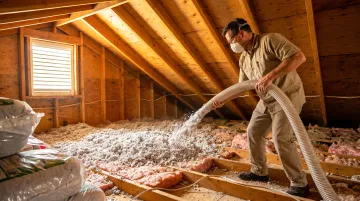
- Attic insulation and air sealing — the single highest-ROI energy move in most older homes
- Weatherstripping around windows and doors — inexpensive and immediately noticeable
- Programmable or smart thermostat — low cost, measurable savings
- Low-flow plumbing fixtures — reduces water and water heating costs
Massachusetts homeowners should check Mass Save before starting any insulation or air sealing work. The program offers 75–100% off approved insulation and air sealing costs, with no-cost upgrades for income-eligible residents and a 0% HEAT Loan up to $25,000 for qualified improvements.
The Refinish vs. Replace Framework
If a material is structurally sound, refinishing almost always beats replacement on both cost and character:
- Floors → refinish, don't replace
- Tubs → reglaze, don't swap
- Cabinets → reface, don't gut
- Original windows → add storm inserts before replacing
Working With the Right Contractor for Old Home Renovations
Old home renovations demand a contractor with a specific skill set. The right hire brings:
- Familiarity with older building methods and materials
- The ability to spot hidden problems before they become expensive surprises
- Knowledge of local permit and historic district requirements
- Judgment to blend old and new without erasing what makes the home worth renovating
An unlicensed or inexperienced contractor can cause failed inspections, safety hazards, or costly mistakes that far exceed whatever savings came with the lower bid.
Green Island Homes is a fully licensed and insured remodeling contractor serving Cape Cod and Martha's Vineyard. The team handles all phases of construction: structural work, roofing, interior finishing, and custom carpentry. They hold HomeAdvisor Screened & Approved, Top Rated, and Elite Service designations, and are consistently recognized for clear communication and fair pricing. For homeowners navigating an old home renovation in these markets, that combination of local experience and full-scope capability matters.
Reach the Green Island Homes team at 774-563-9714 or sales@greenislandhomes.com to talk through your old home renovation and request a free estimate.
Frequently Asked Questions
What is the 30% rule for home renovation?
The 30% rule is an informal guideline suggesting renovation costs shouldn't exceed 30% of a home's current market value — beyond that, recouping the investment at resale gets harder. It's not a formal standard; in high-value markets like Cape Cod ($758,833 median) and Martha's Vineyard ($1,540,941), the threshold often stretches further than it would elsewhere.
In what order should you renovate an old house?
Start with structural repairs, then address core systems (electrical, plumbing, HVAC), then tackle insulation and weatherproofing, and finish with interior and cosmetic work. This sequence protects completed work and prevents costly rework when earlier trades re-enter the space.
How do you know if your old home has lead paint or asbestos?
Homes built before 1978 may contain lead paint; asbestos can appear in insulation, floor tiles, or roofing. Have a certified inspector test before any demolition — age alone isn't a reliable indicator either way.
Is it worth renovating a 100-year-old house?
Often, yes. Older homes frequently feature solid construction, irreplaceable architectural details, and strong resale value — particularly in historic markets like those on Cape Cod and Martha's Vineyard. Get a full inspection upfront so scope and budget surprises don't derail the project.
What renovations add the most value to an old home?
Exterior upgrades lead the pack in 2025 New England Cost vs. Value data: a steel entry door recoups 182.9%, fiber-cement siding 144.9%, and a minor midrange kitchen remodel 134.3%. Preserving original hardwood floors and trim adds perceived value on top of those gains.
Do I need a permit to renovate an old home?
Yes — virtually all structural, electrical, plumbing, and HVAC work requires permits under Massachusetts building code. Homes in historic districts may also require Historic District Commission approval for exterior changes. Always verify local requirements before starting work.